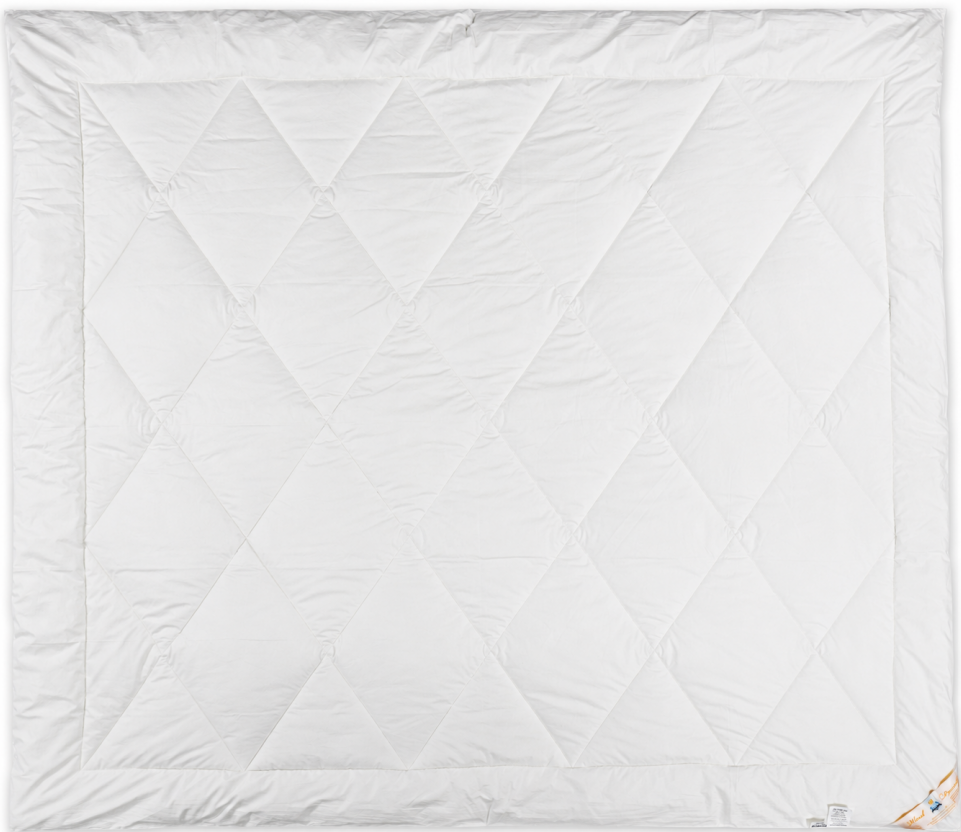
A natural filling is one part of a bedding purchase. To assess wool's environmental footprint, also ask how the finished product is made, cared for, used and eventually disposed of.
Start with the fibre and the finished item
Wool is a renewable animal fibre: sheep grow a new fleece. Its ability to biodegrade depends on the conditions around it. When choosing bedding, look at the complete item as well as the wool inside.
An inner or pillow also includes a casing, stitching, labels and sometimes fastenings. Ask about each part when considering care, reuse and disposal. A local waste service will need the whole product description.
Ask about the whole lifecycle
Ask where the filling comes from, what the casing contains, how to care for it and where it can go when it is worn out. Our wool and alpaca inners use New Zealand filling inside cotton casings.
Farming is part of that picture too. Sheep farming produces methane, as explained by New Zealand's Ministry for the Environment. Comparing the full journey means considering farming, manufacture, transport, care and disposal together.
Choose care you can actually maintain
Choose a care routine you can maintain. Our inners are dry clean only; our wool pillow is spot-clean only, and our alpaca pillow has its own dry-clean-only instructions. Check those requirements before deciding what suits your household.
Keep useful bedding in service by following its care label, storing it dry and checking its condition. If it still fits your bed and feels comfortable, looking after it may be the most practical next step.
Compare at a glance
| Question | What to ask |
|---|---|
| What is the filling? | Exact fibre description for the product |
| What else is in the item? | Casing, stitching, labels and fastenings |
| How is it cared for? | The actual product label |
| What is its footprint? | Whether a whole-product assessment is available |
| Where can it go afterwards? | Current local acceptance rules for the complete item |
Your checklist
- Check both filling origin and assembly location.
- Ask about the materials in the complete item.
- Choose care that fits your household.
- Check local acceptance before arranging disposal.
Find out more about our New Zealand-made bedding, then compare the materials and care requirements of our duvet inners.
Questions before you choose
Does wool filling make an entire duvet compostable?
Check the whole item first, including its casing, stitching, labels and fastenings. Ask your local service whether it accepts that complete product.
Is a Kiwi Wool carbon footprint established here?
We do not provide a product carbon-footprint figure in this guide. We can help with product materials, origin and care information for your comparison.