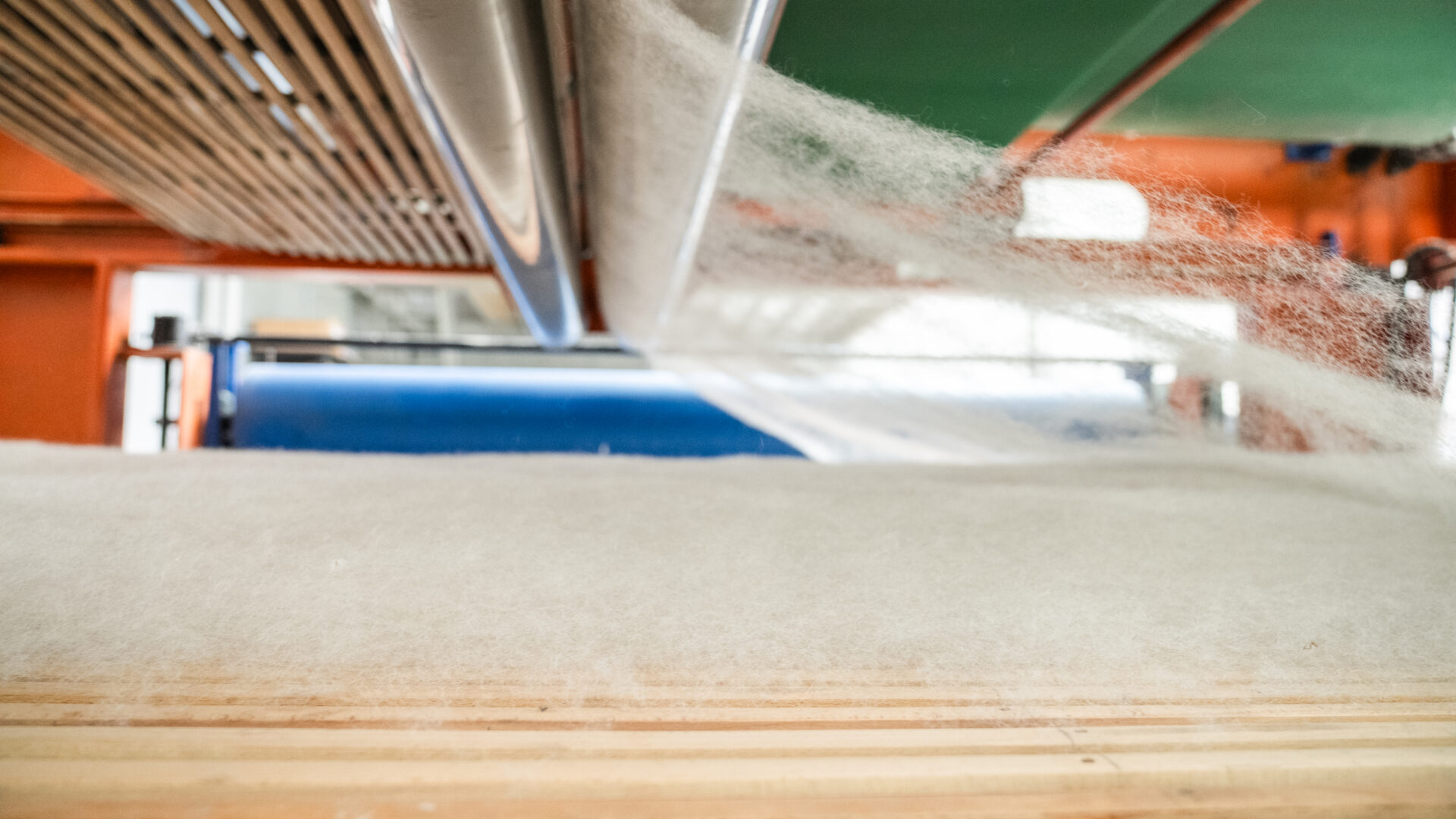
Duvet GSM is the grams of fill per square metre, and it is the number that decides how warm a duvet inner feels. The right GSM depends on the fibre inside, your region, how you heat your bedroom and whether you run hot or cold at night.
In brief
- GSM measures how much fill is in the duvet. More grams, more warmth.
- Fibre changes what a number feels like. In our guide 450 GSM alpaca and 500 GSM wool are both winter weights.
- Summer: 200 GSM alpaca. Spring and autumn: 350 GSM alpaca. Winter: 450 GSM alpaca or 500 GSM wool.
- Cold, unheated bedrooms in the south want the top of the range. Warm northern bedrooms with a heat pump want less.
- The Alpaca Duvet Combo gives you 200 and 350 GSM separately, or 550 GSM buttoned together.
What GSM means
GSM stands for grams per square metre. A 500 GSM duvet inner has 500 grams of fill in every square metre of its surface, so a Queen inner of 210 x 210 cm carries a little over two kilograms of fibre before you count the cotton cover. It is the standard way New Zealand makers describe warmth, and it is more useful than vague words like light, medium and warm because you can compare one duvet directly with another.
GSM is not the whole story though. The same 500 grams of fill behaves differently depending on what the fibre is. That is why our guide gives separate GSM ranges for alpaca and for wool.
Why 450 GSM alpaca and 500 GSM wool are both winter weights
Alpaca fibre is semi-hollow. Each fibre traps insulating air inside itself as well as between fibres, so a given weight of alpaca holds more warmth than the same weight of wool. Our site puts alpaca at around 25% warmer and lighter than sheep’s wool. That is why our winter alpaca inner is 450 GSM while our winter wool inner is 500 GSM, and why the two feel similar in bed even though the alpaca is noticeably lighter to lift.
Wool brings its own strengths. The dense fill has a reassuring weight that many sleepers find cocooning, and New Zealand wool is a superb moisture manager, drawing dampness away from you in cool or damp conditions. If you want to weigh the two fibres against each other in more detail, read our alpaca vs wool duvet comparison.
The Kiwi Wool duvet temperature guide
This is the chart we use in the factory and on our product packaging. It matches season and climate to a GSM range for each fibre.
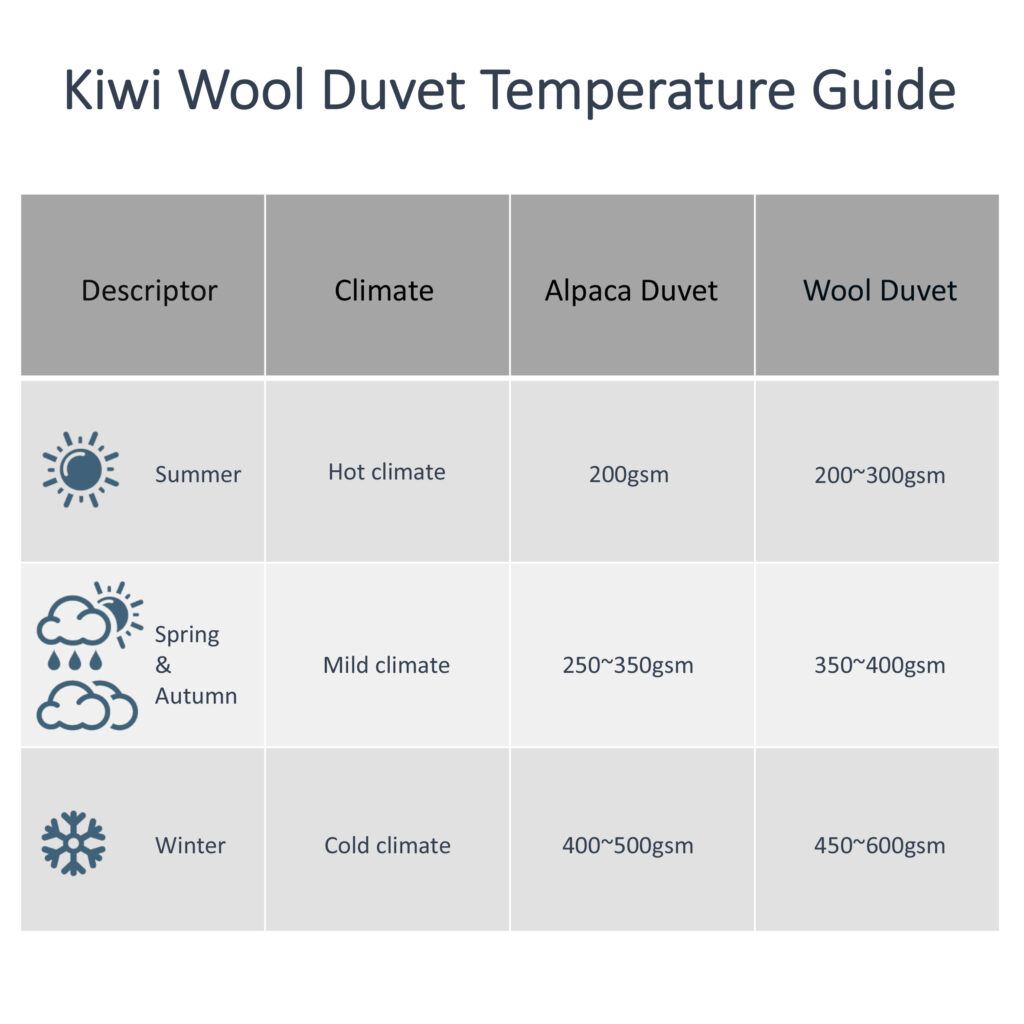
| Season | Climate | Alpaca duvet | Wool duvet | Kiwi Wool inner |
|---|---|---|---|---|
| Summer | Hot | 200 GSM | 200 to 300 GSM | 200GSM 100% Alpaca Duvet Inner |
| Spring and autumn | Mild | 250 to 350 GSM | 350 to 400 GSM | 350GSM 100% Alpaca Duvet Inner |
| Winter | Cold | 400 to 500 GSM | 450 to 600 GSM | 450GSM 100% Alpaca Duvet Inner or 100% NZ Wool 500GSM Duvet Inner |
| All year | Changing | 200 + 350 = 550 GSM | Alpaca Duvet Combo (200+350gsm) |
Which GSM for your situation
Season is only half of it. Two houses in the same street can need different duvets depending on insulation, heating and who is under the covers. Use the table as a starting point and adjust one step either way for your own comfort.
| Your situation | Suggested GSM | Kiwi Wool inner |
|---|---|---|
| Warm northern bedroom with a heat pump running overnight | 200 GSM in summer, 350 GSM in winter | 200GSM alpaca, then 350GSM alpaca |
| Auckland humid summer nights | 200 GSM alpaca | 200GSM 100% Alpaca Duvet Inner |
| Wellington: windy, damp, rarely frosty | 350 GSM most of the year, 450 GSM in the depths of winter | 350GSM alpaca or the Alpaca Duvet Combo |
| Canterbury and Otago frosts | 450 to 500 GSM | 450GSM alpaca or 500GSM wool |
| Older, unheated or uninsulated house | 500 GSM, and add a blanket in the coldest weeks | 100% NZ Wool 500GSM Duvet Inner |
| You run hot or wake sweaty | One step lighter than the season suggests | 200GSM alpaca in summer, 350GSM alpaca in winter |
| You run cold | One step warmer than the season suggests | 350GSM alpaca in summer, 500GSM wool in winter |
| One of you is hot and one is cold | Two weights you can swap or combine | Alpaca Duvet Combo (200+350gsm) |
If you and your partner disagree about warmth every night, our post on thermoregulating duvets for couples has practical options.
GSM and the total weight of the duvet
Because GSM is measured per square metre, a bigger duvet of the same GSM weighs more. That matters if you dislike weight on your body, or if you want it. Here are approximate weights from our production records, cover included.
| Inner | Single | Double | Queen | King | Super King |
|---|---|---|---|---|---|
| 350 GSM alpaca | 1.7 kg | 2.3 kg | 3.0 kg | 3.2 kg | |
| 450 GSM alpaca | 2.0 kg | 2.7 kg | 3.0 kg | 3.5 kg | |
| 500 GSM wool | 3.4 kg | 3.9 kg | 4.2 kg |
Notice that a Queen 500 GSM wool inner at about 3.4 kg is only a little heavier than a Queen 450 GSM alpaca at about 3.0 kg, yet the two deliver similar winter warmth. If you love a weighty duvet, wool is the one. If you want warmth you barely feel, alpaca is the one. Check your size on our NZ duvet size guide.
Tog vs GSM
Tog is the warmth rating used in the United Kingdom. It measures how well a duvet resists heat loss, so it describes the result rather than the amount of fill. New Zealand makers use GSM instead, and there is no exact conversion between the two because fibre type changes how much warmth a given weight of fill produces. A 450 GSM alpaca and a 450 GSM synthetic duvet would carry very different tog ratings.
As a rough guide only, think of 200 GSM alpaca as a summer duvet, 350 GSM as a mid-season duvet and 450 GSM alpaca or 500 GSM wool as a winter duvet, and match those to whatever your old duvet was sold as.
Two GSMs in one: the combo
The Alpaca Duvet Combo (200+350gsm) is our answer to the question of which single GSM to buy. It is two separate inners: a 200 GSM for summer and a 350 GSM for spring and autumn. In winter you button them together and get a 550 GSM duvet with the warmth of the two layers and no cold gap between them. It suits changing climates, couples with different needs and anyone who would rather buy once. Our all-seasons duvet page explains how to use it through the year.
Still deciding? Most New Zealand homes are happiest with 450 GSM alpaca or 500 GSM wool for winter and 200 GSM alpaca for summer. If you can only buy one, the combo covers all three seasons.
Shop by weight
Every inner below is made in our Auckland factory from New Zealand fibre, quilted on our single-needle machine and covered in OEKO-TEX certified cotton. Choose by season, or go straight to our winter duvet inners and summer duvet inners pages.
- Sale!
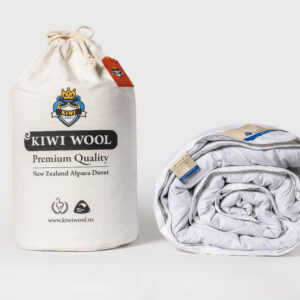

200GSM 100% Alpaca Duvet Inner
Price range: $176.90 through $243.90 Select options This product has multiple variants. The options may be chosen on the product page - Sale!
350GSM 100% Alpaca Duvet Inner
Price range: $232.20 through $322.20 Select options This product has multiple variants. The options may be chosen on the product page - Sale!
450GSM 100% Alpaca Duvet Inner
Price range: $253.50 through $363.50 Select options This product has multiple variants. The options may be chosen on the product page - Sale!
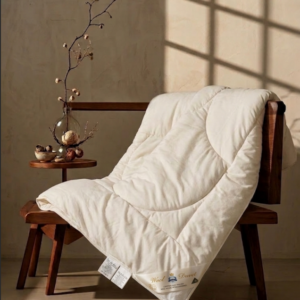
100% NZ Wool 500GSM Duvet Inner
Price range: $199.00 through $259.00 Select options This product has multiple variants. The options may be chosen on the product page - Sale!
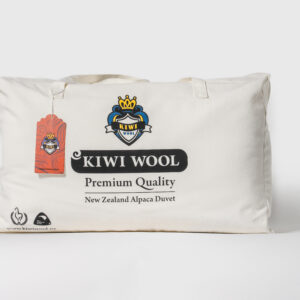
Alpaca Duvet Combo (200 + 350 GSM)
Price range: $375.50 through $545.30 Select options This product has multiple variants. The options may be chosen on the product page

Frequently asked questions
What GSM duvet do I need for winter in NZ?
Our temperature guide puts winter at 400 to 500 GSM for alpaca and 450 to 600 GSM for wool. The 450GSM 100% Alpaca Duvet Inner and the 100% NZ Wool 500GSM Duvet Inner are both winter weights. Choose the top of the range for unheated southern bedrooms.
Is 500 GSM too hot for summer?
For most people, yes. Wool wicks moisture so a 500 GSM wool inner is more forgiving than a synthetic one, but in an Auckland summer you will be far more comfortable under a 200 GSM alpaca inner. Keep the 500 GSM for the cold months.
What does 350 GSM feel like?
A 350 GSM alpaca inner is our spring and autumn weight. It feels light but noticeably warm, right for mild nights and for well-insulated homes in winter. Combined with a 200 GSM inner it becomes a 550 GSM winter duvet.
What is a 200 GSM duvet for?
Summer. A 200 GSM alpaca inner is a cloud-like layer for hot, humid nights and for hot sleepers, and it works in winter in very warm, well-heated bedrooms. Alpaca breathes and wicks moisture, so it prevents the sticky feeling of synthetic summer duvets.
How does GSM convert to tog?
It does not convert exactly. Tog measures heat retention while GSM measures the weight of fill, and fibre type changes the relationship. As a rough match, treat 200 GSM alpaca as a summer duvet, 350 GSM as mid-season and 450 GSM alpaca or 500 GSM wool as winter.
Whichever weight you choose, it is made in Auckland, ships free within New Zealand on orders over $150 NZD and is backed by our 3-year warranty. Browse the alpaca and wool hubs, or call 09 622 1318 and tell us about your bedroom.