
The honest answer to how to wash a wool duvet is that you mostly should not. Our wool and alpaca duvet inners are dry clean only, and regular airing plus prompt spot cleaning keeps them fresh and lofty for years.
In brief
- Do not machine wash or tumble dry a wool or alpaca duvet inner. Heat and agitation can shrink and clump the fibre.
- Air it regularly. Wool in the sun, alpaca outdoors in the shade, for a day or two at a time.
- Spot clean small marks straight away with minimal water.
- Dry clean when it genuinely needs it, using a cleaner experienced with natural fibres.
- Store it dry, in its breathable cotton bag, never compressed in plastic.
- Damage from machine washing is not covered by the 3-year warranty, so these habits protect your investment.
The short answer
Wool and alpaca are self-cleaning fibres in a way that synthetics are not. Both are naturally anti-bacterial, both wick moisture away and release it into the air, and alpaca is also mildew resistant and free from lanolin. That is why our alpaca inners do not require frequent washing at all. What they do need is air and light, because fresh air lets the fibres dry out completely and regain their loft.
So the routine is simple. Air often, deal with spills immediately, and send the duvet to a professional dry cleaner only when it has an odour or a mark that airing and spot cleaning cannot shift. A duvet cover, changed with your sheets, does most of the work of keeping the inner clean.
A simple care routine
| How often | What to do | Why |
|---|---|---|
| Every morning | Throw the duvet back for a few minutes before making the bed | Lets overnight moisture escape rather than staying in the fill |
| Weekly | Change the duvet cover with your sheets; shake the inner out | The cover takes the skin contact, the shake redistributes loft |
| Monthly, or after a damp spell | Air the inner outdoors for a day or two. Wool in the sun, alpaca in the shade | Dries the fibre completely, refreshes it and restores loft |
| Each season change | Air, check for marks, then store the off-season inner in its cotton bag | Moves it into storage clean and dry |
| Yearly, or when needed | Professional dry clean with a natural fibre specialist | Deep cleans without the heat and agitation of a home machine |
Airing: the most important habit
Airing does for a natural duvet what washing does for a synthetic one. Hang the inner over a line, a rail or two chairs outdoors on a dry day and leave it for one to two days. For a wool inner, sunlight is your friend: it dries, freshens and helps the wool fibres stay bouncy. For an alpaca inner, air it outdoors in the shade rather than in direct sun, as our product guidance recommends.
Turn the duvet over halfway through so both sides get the air. If you live in an apartment, an open window with the duvet draped over a rack works, and a covered deck is ideal in showery weather. Never air a duvet on a wet or dewy day; you want moisture leaving the fill, not entering it.
Quick reference. Wool: air in the sun. Alpaca: air outdoors in the shade. Both: one to two days, turn once, bring inside before evening damp sets in.
Spot cleaning small marks
Deal with spills as they happen. Blot, do not rub, with a clean dry cloth to lift as much liquid as you can. Then dab the mark with a cloth dampened with cold water and, if needed, a tiny amount of mild wool detergent. Use minimal water. The aim is to treat the mark on the cover fabric without soaking the fill behind it, because a wet patch of fibre takes a long time to dry and can clump.
Once the mark has lifted, press the area with a dry towel and air the duvet until it is completely dry. Avoid bleach, hot water and stain sprays with enzymes or solvents, which can damage both the cotton cover and the natural fibre.
When to dry clean, and what to tell the cleaner
A dry clean is for an odour that airing has not shifted, a large stain, or a duvet that has been in storage for years. Once a year is plenty for most households, and many of our customers go longer. Choose a cleaner who works with natural fibre bedding, and tell them the inner is 100% New Zealand wool or 100% New Zealand alpaca in a cotton cover, dry clean only, no heat pressing.
When it comes back, take it out of the plastic straight away and air it for a day before it goes back on the bed or into storage. Plastic traps solvent smells and moisture.
Storing your duvet between seasons
Store a duvet only when it is completely clean and dry, ideally after a good airing. Fold it loosely and put it in the breathable cotton bag your Kiwi Wool inner arrived in, or a cotton or linen storage bag. Keep it somewhere dry with some air movement: a wardrobe shelf or a blanket box in a heated part of the house is better than a garage, a damp cupboard or under a bed near an outside wall.
Do not vacuum-pack or compress a natural fibre duvet in plastic. Compression crushes the loft, and sealed plastic traps any residual moisture, which is how mildew and musty smells start. When you bring the duvet out again, air it for a day and shake it to redistribute the fill. Our all-seasons duvet page shows how the combo removes most of the storage question by keeping both inners in use.
The natural fibre scent when new
A new wool or alpaca duvet can have a faint natural scent, the smell of a clean animal fibre. Our wool is double washed without harsh chemicals and our alpaca is lanolin free, so the scent is mild and it fades quickly once the duvet is out of its bag and aired. A day outdoors usually does it. This is normal for natural fibre and is not a fault, which is why our warranty lists the natural scent of animal fibres under personal preference rather than defects.
Restoring loft
Natural fibres compress a little under a sleeping body and plump back up when they can breathe. If your duvet looks flat, air it for a day, then shake it out firmly holding two corners, and shake again from the other end. Most of the loft returns straight away. A duvet that stays flat after years of nightly use has simply worn in, which is normal and not covered by warranty, but airing will still improve it.
Your 3-year warranty and care
Every Kiwi Wool product carries a 3-year warranty against manufacturing defects. That covers seam slippage, where stitching comes loose along the edges or quilting lines, and fabric defects such as pilling, snagging or tearing of the cover that occur without use. Because we quilt on a single-needle machine and use a pre-shrunk, down-proof OEKO-TEX cotton cover, these issues are rare, and if one appears we will put it right.
The warranty does not cover personal preference, such as finding the duvet too firm, too soft or too heavy, or the natural scent of the fibre. It does not cover normal wear and tear, such as matting or loss of loft after years of use. And it does not cover customer damage, including snags, tears, stains, or shrinkage and clumping caused by machine washing. That last point is the one to remember: a single hot wash can undo everything, so keep the duvet out of the washing machine. Questions about a defect? Call 09 622 1318 or email info@kiwiwool.nz with details and photos.
When to replace a duvet
With this care a wool or alpaca inner lasts many years. Replace it when the fill has permanently thinned so that it no longer keeps you warm at its rated GSM, when there are marks or odours that dry cleaning cannot remove, or when your needs have changed and you want a different weight. Our alpaca duvet buying guide and wool duvet buying guide will help you choose the next one.
Caring for wool and alpaca pillows
Our 100% NZ Wool Pillow and Premium New Zealand Alpaca Adjustable Pillow follow the same rules: no machine washing or tumble drying, spot clean small marks with minimal water, and air regularly, wool in the sun and alpaca in the shade. Use a pillow protector under the pillowcase and change it weekly. The adjustable pillow can be unzipped so you can air the pearls and the cover separately.
- Sale!
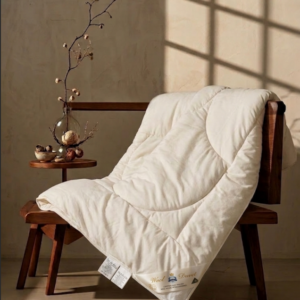

100% NZ Wool 500GSM Duvet Inner
Price range: $199.00 through $259.00 Select options This product has multiple variants. The options may be chosen on the product page - Sale!
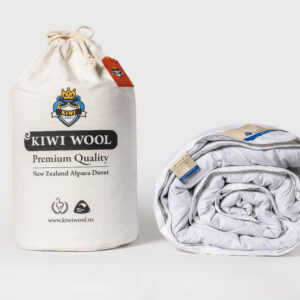
450GSM 100% Alpaca Duvet Inner
Price range: $253.50 through $363.50 Select options This product has multiple variants. The options may be chosen on the product page - Sale!
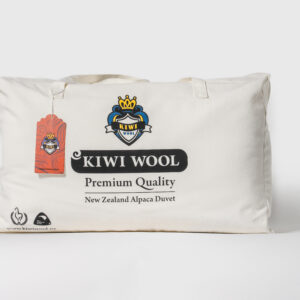
Alpaca Duvet Combo (200 + 350 GSM)
Price range: $375.50 through $545.30 Select options This product has multiple variants. The options may be chosen on the product page - Sale!
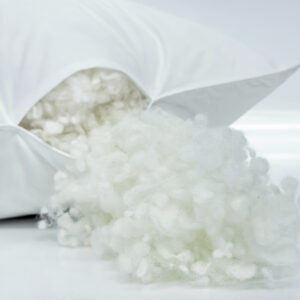
100% NZ Wool Pillow
Original price was: $158.00.$79.00Current price is: $79.00. Add to cart

Frequently asked questions
Can you wash a wool duvet in a washing machine?
No. Kiwi Wool inners are dry clean only. Heat and agitation from a home washing machine or dryer can shrink and clump the natural fibre, and damage caused by machine washing is not covered by the 3-year warranty. Spot clean marks and air the duvet instead.
How often should I air my alpaca duvet?
Air it outdoors in the shade for one to two days about once a month, and after any damp spell or spill. Alpaca is naturally anti-bacterial, so regular airing is usually all it needs to stay fresh between occasional dry cleans.
How do I get a stain out of a wool duvet?
Blot the spill immediately with a dry cloth, then dab the mark with a cloth dampened in cold water and a little mild wool detergent. Use minimal water so the fill behind the cover stays dry, press with a towel and air until completely dry. For large stains use a dry cleaner.
How should I store a duvet over summer?
Air it first, make sure it is completely dry, then fold it loosely into the breathable cotton bag it came in and keep it on a dry wardrobe shelf. Never compress it in plastic or store it somewhere damp. Air it again for a day before using it.
Why does my new duvet smell?
A faint natural scent is normal for a clean animal fibre. Our wool is double washed without harsh chemicals and our alpaca is lanolin free, so it is mild and fades within a day or two of airing. It is listed under personal preference in our warranty, not as a defect.
Does machine washing void the warranty?
Damage caused by machine washing, such as shrinkage or clumping, is not covered. The warranty covers manufacturing defects like seam slippage and fabric faults for three years. Keep the duvet out of the machine and it will stay covered.
Look after a Kiwi Wool duvet this way and it will look after you for years. If you have a care question we have not answered, our frequently asked questions page covers shipping, returns and warranty, or call our Auckland team on 09 622 1318.